




KNOW YOUR SKIN. KNOW THE SIGNS.

Your Skin Has Something to Tell You

Melanoma can appear in every skin tone and the signs can be subtle. Learn what to look for, how to check your skin, and why early detection matters.

Melanoma Doesn't Look The Same On Everyone

Many people believe melanoma only affects lighter skin tones — but melanoma can develop in every skin tone, including deeper skin. Because it’s often diagnosed later in people with darker skin, awareness and early detection are especially important.

Melanoma can appear in places people may not think to check:

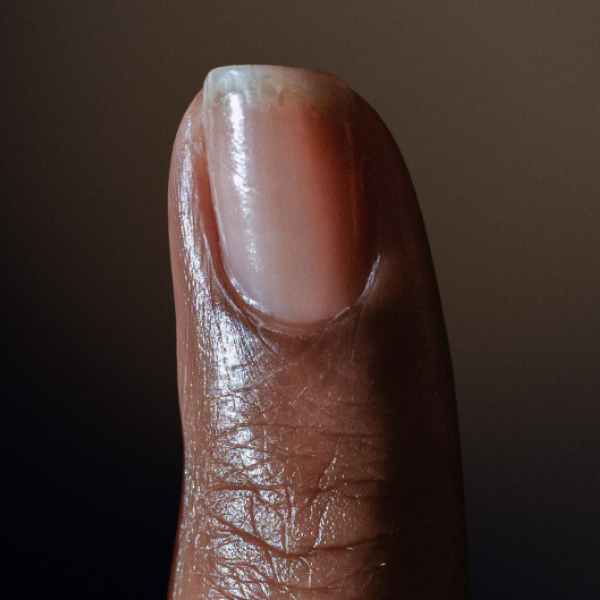
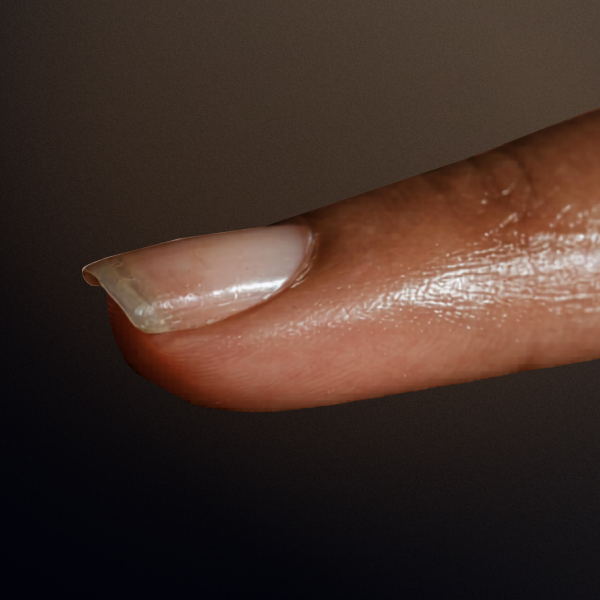
Nail Beds

Palms

Soles of Feet

Scalp

Under Nails

The good news: early detection can save lives.

WHY IT MATTERS

Know The Facts

01

Every Skin Tone

Melanoma can affect every skin tone.

02

Diagnosed Later

Melanoma is often diagnosed later in deeper skin tones.

03

Early Detection

Early detection significantly improves outcomes.

04

Regular Checks

Regular skin checks can help identify changes early.

Knowing what to look for — and checking your skin regularly — can make a difference.

CHECK THESE FIRST

Don't Forget These Areas

Melanoma doesn’t only appear in sun-exposed areas. On deeper skin tones, it can commonly appear in places people often overlook.

Nail Beds

Changes in or around the nails — including dark streaks or discoloration — should be monitored.

Palms

Pay attention to spots, discoloration, or changes in texture on the palms of your hands.

Soles of Feet

Check the bottoms of your feet regularly for new or changing marks.

Scalp

Part your hair and examine the scalp for unusual spots or changes.

WHAT TO LOOK FOR

Know The Signs

Dermatologists often use the ABCDE method to identify warning signs of melanoma.

ASYMMETRY

One side looks different from the other.

BORDER

Edges are uneven, blurred, or irregular.

COLOR

Different shades or uneven color throughout the spot.

DIAMETER

Spots larger than a pencil eraser may need attention.

EVOLVING

Changes in size, shape, color, or texture over time.

DO IT MONTHLY

A Skin Check Only Takes A Few Minutes

Checking your skin monthly can help you notice changes early.

STEP 1

1

Check your face, neck, chest, and arms.

STEP 2

2

Examine hands, palms, and nail beds.

STEP 3

3

Use a mirror to check your back and shoulders.

STEP 4

4

Look at your legs, feet, soles, and between toes.

STEP 5

5

Pay attention to anything new, changing, darkening, growing, or irritated.

SET THE RECORD STRAIGHT

Myth vs. Fact

✕ MYTH

“People with darker skin don’t get melanoma.”

✓ FACT

Melanoma can affect every skin tone.

✕ MYTH

“Skin cancer only appears where the sun hits.”

✓ FACT

Melanoma can also appear on palms, soles, nail beds, and other less visible areas.

✕ MYTH

“If it doesn’t hurt, it’s harmless.”

✓ FACT

Some melanomas may not cause pain or discomfort early on.

Watch BGS Founder & CEO Shontay Lundy get her skin checked

How To Perform A Skin Self-Check

Watch how to check your skin and learn what changes to look for. This quick guide walks you through every spot you should examine — including the areas commonly missed on melanin-rich skin.

The following video is provided by the American Cancer Society. Learn more at cancer.org

Learn More About Melanoma Awareness

Explore additional educational resources and skin health information from trusted organizations.

Melanoma Research Alliance

American Cancer Society

Skin of Color Society

The Skin Cancer Foundation

DON'T DELAY

Know Your Skin. Know The Signs.

Awareness starts with paying attention to your skin. Early detection matters.

Educational Disclaimer: This content is intended for educational purposes only and is not a substitute for professional medical advice, diagnosis, or treatment. If you notice any unusual or changing spots on your skin, consult a healthcare professional or dermatologist.