The best sunscreen for Black women — here’s what to look for
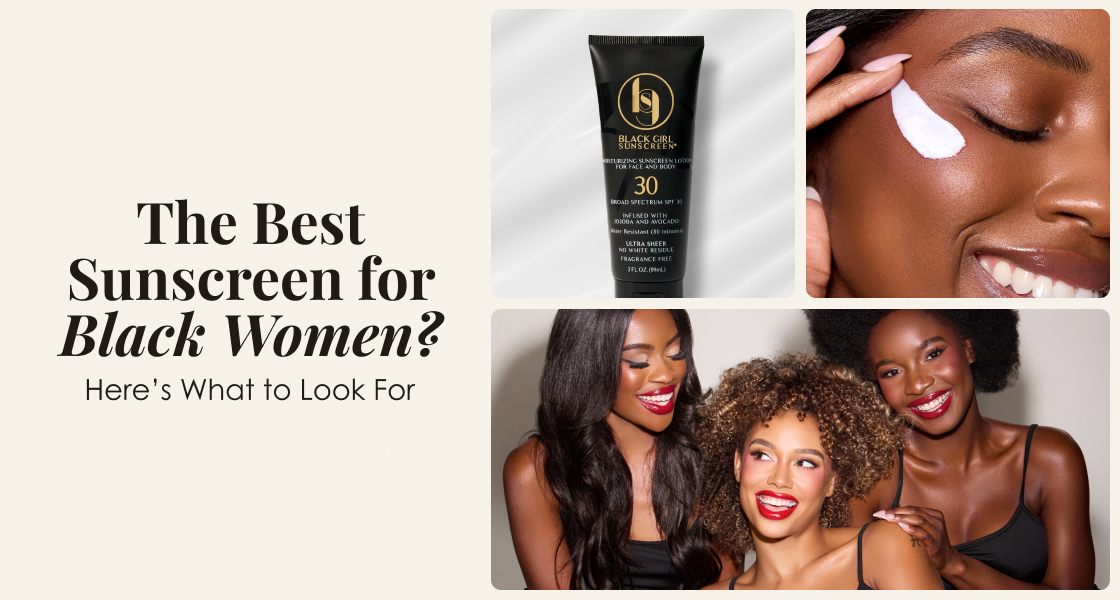
Finding the right SPF shouldn’t be a compromise. For too long, sunscreen was designed for one skin tone — leaving women with deeper complexions to deal with white cast, greasy residue, and formulas that simply weren’t made with us in mind. That’s exactly why Black Girl Sunscreen® was created. But whether you’re shopping BGS or comparing options, here’s what to actually look for.
Why sunscreen matters for melanin-rich skin
Melanin does offer some natural protection from UV rays — but nowhere near enough. Dermatologists consistently recommend SPF 30 or higher for all skin tones. Without it, melanin-rich skin is vulnerable to hyperpigmentation, dark spots, premature aging, and in serious cases, skin cancer. The myth that darker skin doesn’t need sun protection is not just wrong — it’s dangerous.
The white cast problem (and how to avoid it)
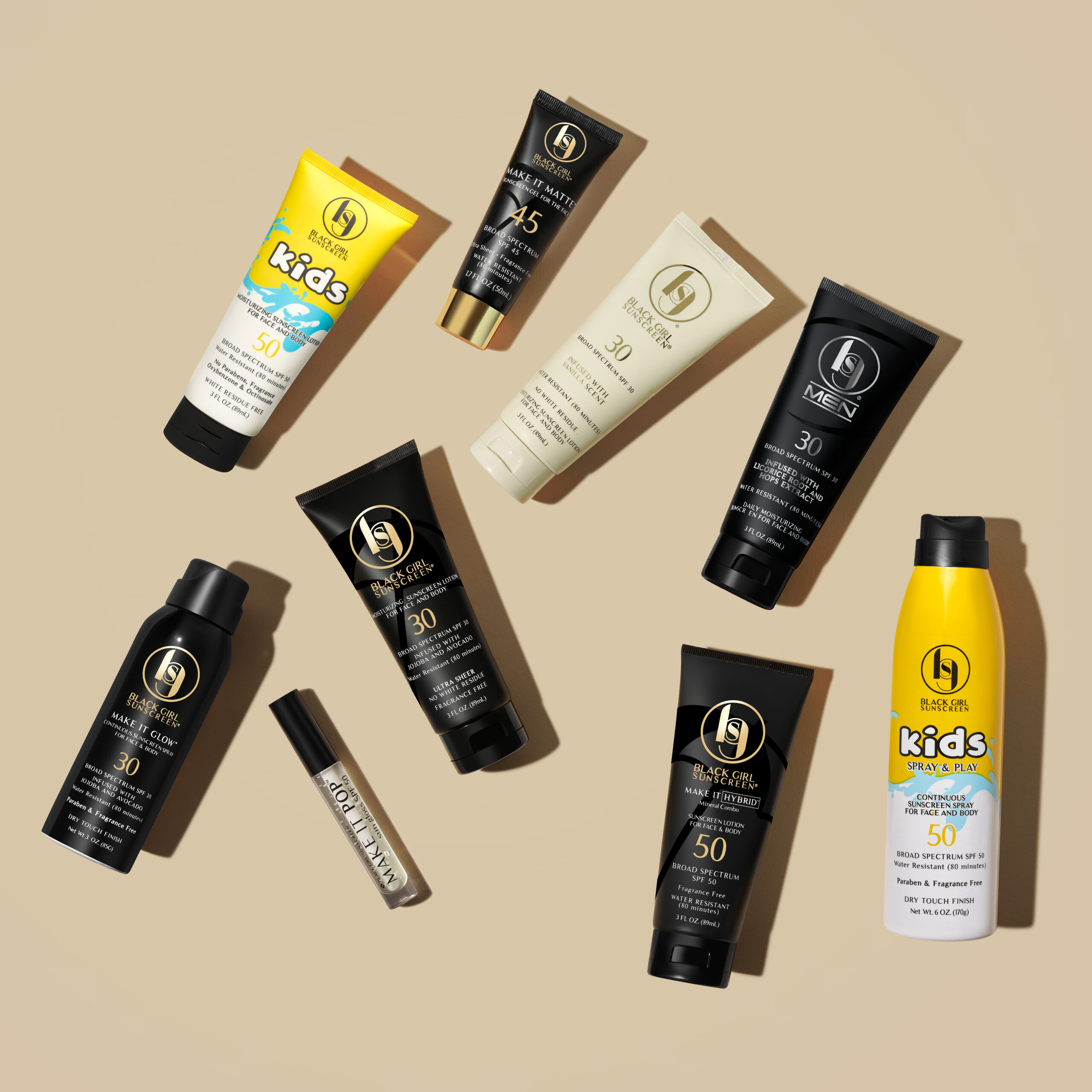
The number one complaint about sunscreen from women of color is white cast. It happens when mineral UV filters — zinc oxide and titanium dioxide — aren’t properly micronized, leaving a visible chalky layer on the skin. The fix? Look for formulas specifically developed for darker skin tones that use micronized minerals or chemical filters that absorb clear. Our full product line is built around this exact problem — every formula dries completely clear.
SPF level: what number do you actually need?
SPF 30 blocks about 97% of UVB rays. SPF 50 blocks about 98%. The difference sounds small, but for daily use SPF 30 is perfectly protective — the bigger factor is consistent application and reapplication every two hours. If you’re spending extended time outdoors or near water, reach for SPF 50. Our kids and baby SPF 50 formula is also gentle enough for sensitive adult skin.
Ingredients to look for
The best sunscreens for melanin-rich skin do double duty — protecting and nourishing. Look for hydrating actives like avocado oil, jojoba oil, shea butter, and cacao. These ingredients moisturize while the SPF works, so you don’t need a separate moisturizer underneath. Avoid formulas loaded with alcohol, synthetic fragrance, or oxybenzone — all common irritants, and oxybenzone is also harmful to coral reefs. Learn more about our full ingredient list and why every choice is intentional.
Face vs. body: do you need different products?
Facial skin is more prone to clogged pores, so a non-comedogenic formula matters more there. For the body, a lightweight lotion or spray that absorbs quickly without leaving residue is ideal. A mattifying SPF 45 works well for oily or combination skin on the face, while a hydrating SPF 30 lotion is great for body use — especially in dry climates. Understanding the difference helps you build a routine that works. Our Sunscreen 101 guide breaks down everything you need to know about building a daily SPF routine.
Reef-safe and clean formulas
Reef safety isn’t just an environmental talking point — it reflects a commitment to cleaner ingredients overall. Oxybenzone and octinoxate, two common chemical UV filters, are banned in Hawaii and linked to coral reef damage. All Black Girl Sunscreen products are free from both. If a brand is willing to skip harmful chemicals for the ocean, they’re usually willing to skip them for your skin too.
What about sunscreen for kids?
Children’s skin — especially melanated baby skin — needs the same protection adults do, but with gentler ingredients. Look for fragrance-free, paraben-free formulas with a clean mineral base. Reef-safe is a must. And no white cast on little ones matters just as much as it does for adults. BGS Kids & Baby SPF 50 was designed specifically with these requirements in mind.
The bottom line
The best sunscreen for women of color is one that works — no white cast, no greasy finish, clean ingredients, and real SPF protection. You shouldn’t have to choose between sun safety and loving how your skin looks. Browse our full collection and find the formula that fits your skin and your lifestyle.